
5 Roles of Gypsum You Might Not Know About
Gypsum is more than you think! It’s widely used across various industries around us—from construction, food, and agriculture to medicine. It’s a versatile mineral that’s closer to our daily lives than you might realize.
9/19/20253 min read
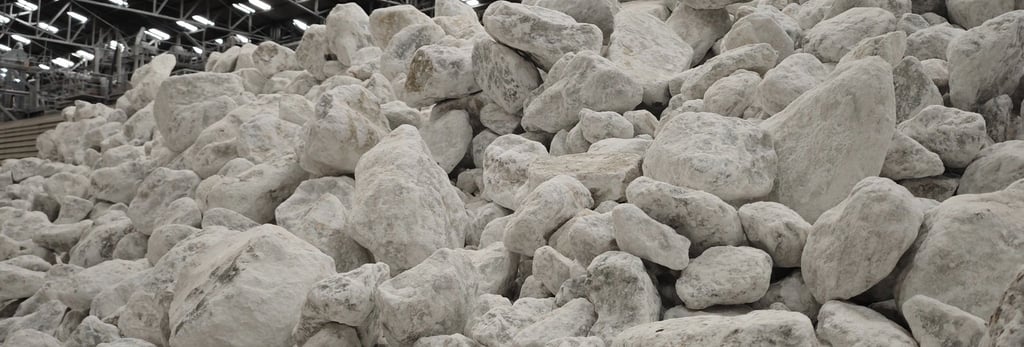
Improves soil structure, making it loose and crumbly, and reduces compaction of clay soils.
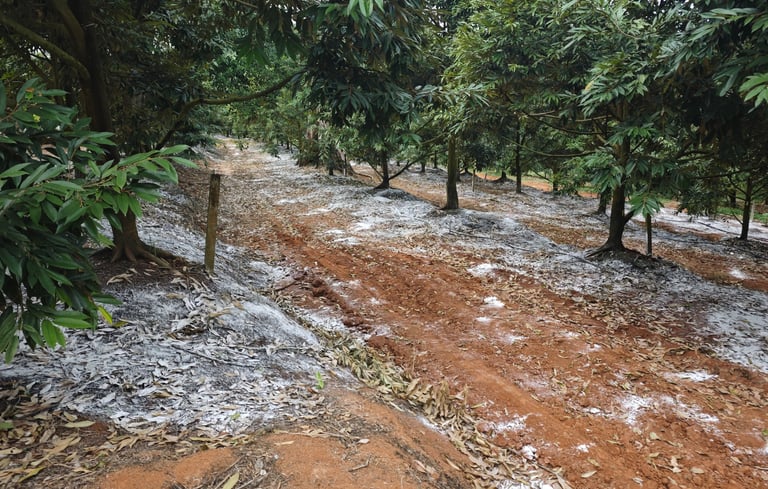
Reduces alkalinity and salinity in the soil, allowing plants to absorb nutrients more effectively.
Provides calcium (Ca) and sulfur (S), which are essential for plant growth, strength, and disease resistance.
Farmers use gypsum to restore gardens, increase productivity, and prolong the fertility of crops.
Construction – The Backbone of Building Materials
Medicine – From Casts to Dentistry
Environment – The Silent Helper
Gypsum can also support environmental protection:
Used in wastewater treatment to reduce hardness and balance pH levels.
Helps absorb heavy metals and certain pollutants.
Controls dust dispersion in mining and construction work.
It’s another way gypsum reduces environmental impact and protects human health.
Ceramics and Art
Gypsum is used in ceramic molds because of its excellent water absorption, allowing clay to set beautifully.
Used in sculpting and casting, such as statues or models.
Used in architectural decoration, like plaster ornamentation in historic buildings.
Beyond industrial purposes, gypsum holds cultural and artistic value.
Gypsum is a natural mineral well-known in the construction industry. But did you know that gypsum has many more uses than you might imagine? From construction and agriculture to medicine, ceramics, art, and even environmental applications, this article explores the benefits and roles of gypsum beyond just being a natural mineral in various industries
Gypsum plays an important role in the agricultural industry. It helps improve soil quality by providing essential minerals, making it highly valued by farmers for better crop yields.
Agriculture – Soil Revival and Plant Nourishment



Essential component in cement, enhancing concrete strength and controlling setting time.
Used in gypsum boards for walls and ceilings: lightweight, fire-resistant, and soundproof.
Used in plaster for finishing and decorating buildings.
In short, gypsum is at the heart of construction, present in homes and buildings we see every day.
Gypsum is widely used as a key ingredient in construction, especially in cement, making it well-known in this industry for a long time. Its strength and versatility have led to the development of processed gypsum for various applications, improving both quality and durability.


Used for plaster casts to support broken bones.
Used in dentistry for dental molds and models.
Gypsum contributes to human health, not just plants or soil.
In the medical field, gypsum has been refined for safe use, including in orthopedic casts and dental applications


Today, gypsum is widely used across industries due to its versatility. These five industries are the main sectors utilizing this mineral, driving continuous improvements in gypsum quality and formulations to ensure its optimal use in daily life—closer to us than we might have thought!
Explore and Discover
New Knowledge

THE GYPSUN INTERTRADE CO., LTD.
55/44 Kanlapaphruek Road, Bang Khun Thian Subdistrict, Chom Thong District, Bangkok 10150
© 2025. All rights reserved.