Get to Know “Gypsum”: What Is It and What Can It Be Used For?

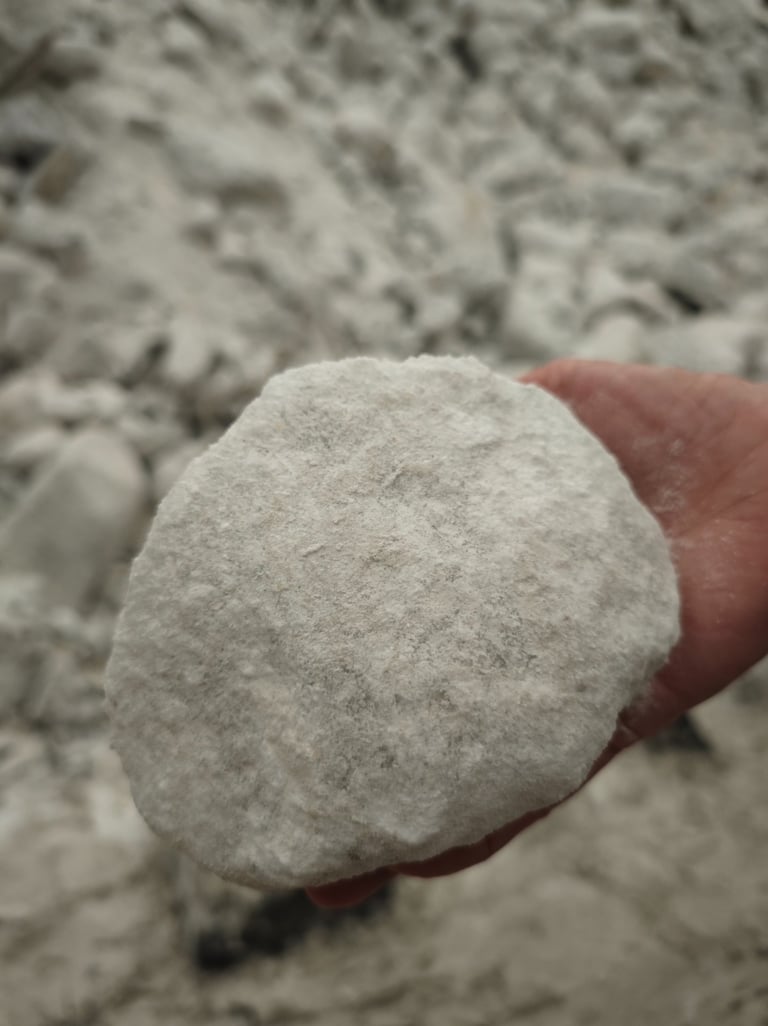
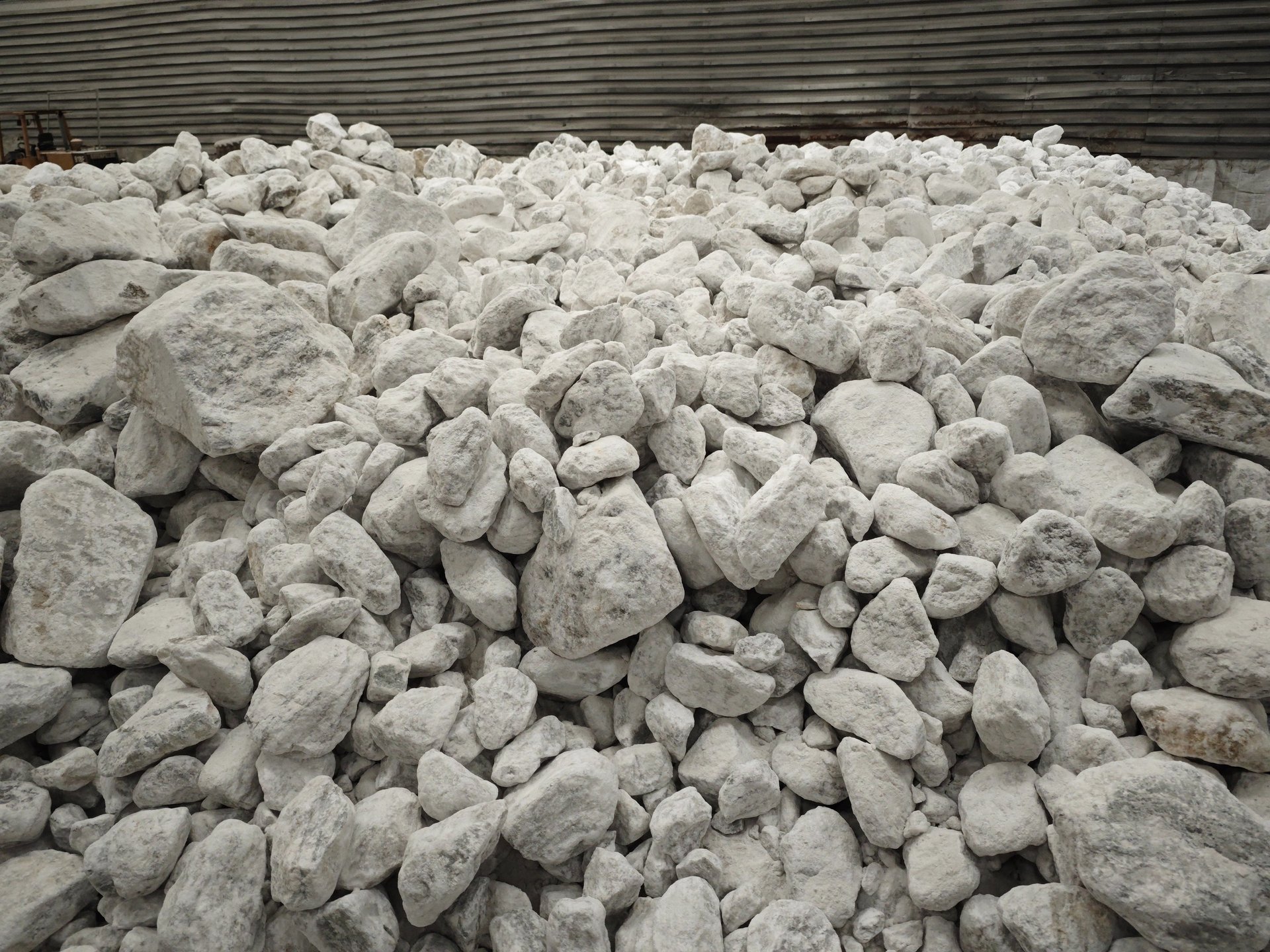
When we talk about “gypsum,” many people might think of construction materials used for ceilings or lightweight walls. However, gypsum is not only useful in construction. It is a natural mineral that forms in white or transparent crystals and has a wide range of applications, including agriculture. In other words, it’s a versatile mineral closer to our daily lives than we might think.
2 min read

Properties of Gypsum

  1. Construction: Used to make plaster, gypsum boards, and decorative materials.

  2. Agriculture: Used to improve soil quality and supplement essential nutrients, particularly calcium and sulfur.

  3. Food and Pharmaceutical Industry: Sometimes used as a food additive or as an ingredient in medicine production.

  4. Other Industries: Used in ceramics, glass, and cement production.

Gypsum in Agriculture

Many people are familiar with the term gypsum in the context of construction, such as ceilings or lightweight walls. But gypsum is not limited to the construction industry—it is also widely used by farmers to improve soil and nourish plants, making it a multi-purpose mineral we encounter more than we realize.

Gypsum is a natural mineral with the chemical name Calcium Sulfate Dihydrate (CaSO₄·2H₂O). It appears as a white to transparent powder and is rich in calcium and sulfur, both essential for construction and agriculture.

Few people know that gypsum is a farmer’s best friend, helping both soil and plants grow stronger:

  • Soil improvement: Turns clay or compacted soil into loose, airy, and well-drained soil.

  • Plant nourishment: Provides calcium and sulfur, essential secondary nutrients for growth.

  • Strengthens roots: Helps roots penetrate easily and absorb more nutrients.

  • Makes plowing easier: Reduces soil clumping and compaction.

As we can see, gypsum is not just a mineral for construction. It also helps farmers improve soil and nourish crops. It is both a material for building homes and a tool for boosting agricultural yields. For anyone seeking a versatile material with multiple uses, gypsum is an indispensable solution.

  • Contains key nutrients: Calcium (Ca) and Sulfur (S), essential for plant growth.

  • Chemically neutral: neither acidic nor alkaline.

  • Moderately soluble in water, allowing it to gradually release nutrients and improve soil.

  • White powder form makes it suitable for various industrial applications.

What Is Gypsum Used For?